Indio highlight
Date capital heritage
The Coachella Valley produces nearly 95 percent of the nation's dates, a crop that began when the USDA imported date palm shoots from Algeria in 1903.
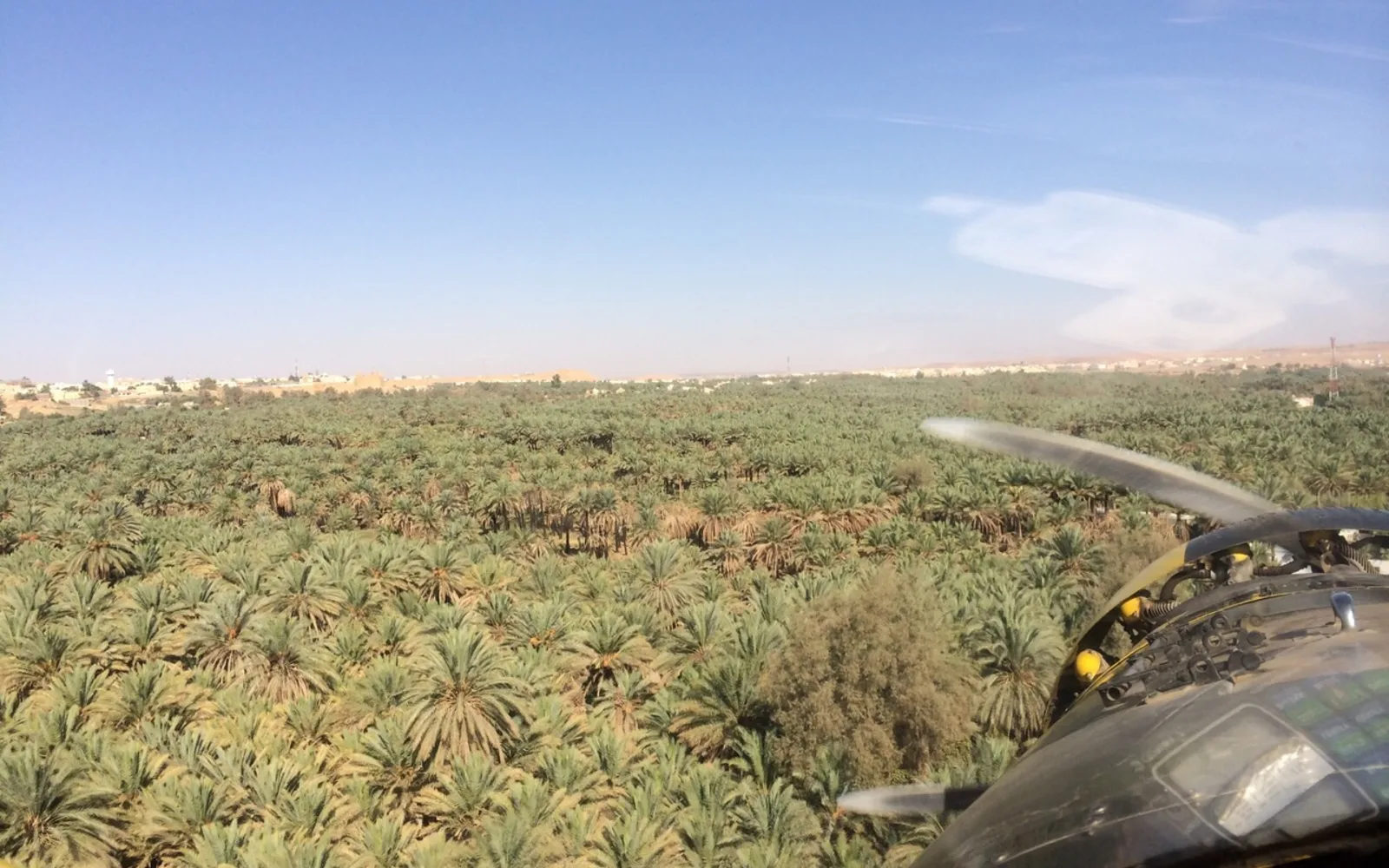
The history of dates in the Coachella Valley began in the early 1900s when United States Department of Agriculture horticulturist Bernard Johnson imported date palm shoots from Algeria in 1903. Those plants were the foundation of what became the nation's dominant date-growing region. The valley's climate—hot, dry summers and mild winters—proved ideal for cultivating date palms, and commercial date production grew throughout the twentieth century.
Today the Coachella Valley produces nearly 95 percent of the dates grown commercially in the United States. The Riverside County Fair and National Date Festival, held annually in Indio, celebrates this agricultural heritage with competitions, exhibits, and date-themed attractions. The festival draws thousands of visitors and demonstrates the cultural significance of dates not just as a crop but as part of the region's identity.
Indio's agricultural roots run deep, and many families in the valley have multi-generational ties to farming or farm-related work. Whether a household depends on agricultural employment, on the seasonal tourism tied to harvest festivals, or on the year-round commerce that an agricultural region supports, planning for financial resilience matters. A term policy sized to cover the household's years of greatest need—whether that is a mortgage, children at home, or a farm business—ensures that the security the family has built is protected.